Strengthening Nonprofits so they can strengthen communities
Explaining United Way’s new investment priority
Strong nonprofits are essential to strong communities. They deliver critical services, respond to emerging needs and help create lasting change. But today, many organizations need more than funding alone to achieve their missions. They also need strong systems, effective leadership and access to expert support.
That’s why United Way of Southwestern Pennsylvania recently made Strengthening the Nonprofit Sector a formal investment priority and part of our grantmaking strategy. To learn more, we spoke with Sara Noel, United Way’s senior director of strategic impact, and Maggie Richardson, president & CEO of Program to Aid Citizen Enterprise (PACE).
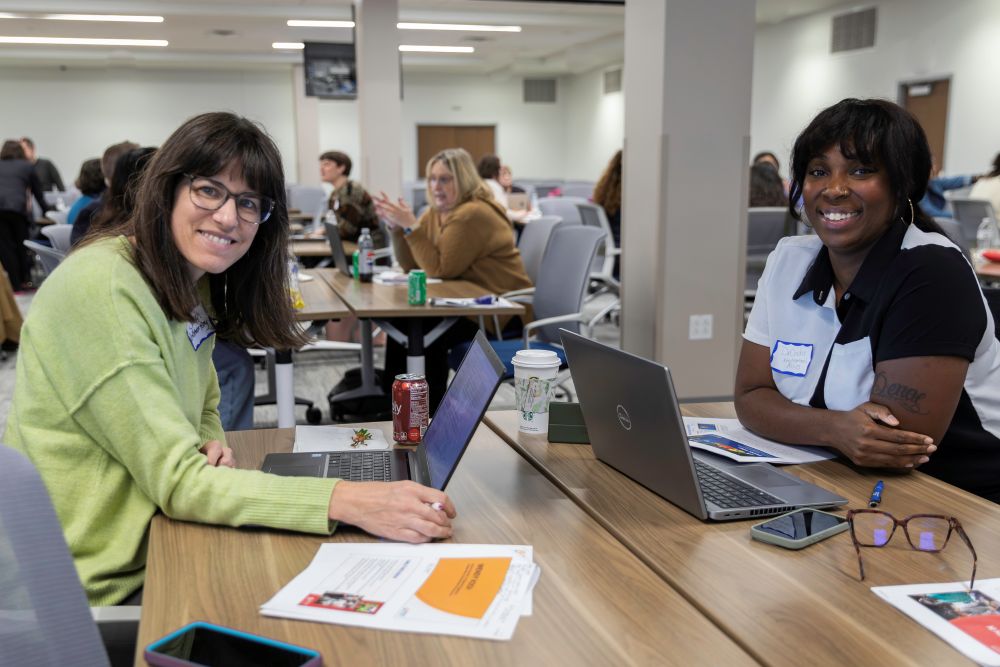
Participants at a United Way training specifically for partner agencies.
Q: Maggie, tell us about PACE and the work you do.
Maggie Richardson: PACE has been helping nonprofits build stronger organizations for nearly 60 years. We provide support in areas like fundraising, marketing, budgeting and governance.
I joined PACE two years ago after a career in nonprofit consulting and leadership. I’d seen firsthand how valuable this work can be. Strong organizations are better positioned to deliver results and sustain their impact over time.
United Way has been part of that story from the beginning. In fact, it was one of PACE’s founding funders and remains a valued partner today.
Q: Sara, why did United Way make Strengthening the Nonprofit Sector a formal investment priority?
Sara Noel: We’ve always supported nonprofit capacity building, but we realized we need to do more. We are hearing from organizations that they need more than financial support to thrive.
Many nonprofits are focused on meeting immediate community needs. They don’t always have the time or resources to address deeper organizational challenges. But what looks like a fundraising problem, for example, may actually point to issues with financial systems, planning or governance.
This new investment priority allows us to be more intentional about helping organizations access the expertise, tools and technical assistance they need to succeed. Today, we invest approximately $300,000 annually in these efforts.
Q: What does a strong nonprofit sector look like?
Sara Noel: United Way focuses on four key elements: organizational effectiveness, access to expertise and resources, collaboration and advocacy.
Strong nonprofits use data to improve their work, have access to technical support, work together to solve complex challenges and help drive systems-level change. When those pieces are in place, organizations are better positioned to serve the community.
Q: Maggie, what challenges do nonprofits face most often?
Maggie Richardson: Two themes come up repeatedly: financial management and organizational alignment.
Organizations often believe they’re facing a fundraising challenge when the real issue is understanding the true cost of their programs and services. PACE helps nonprofits stretch every donated dollar by strengthening their financial practices and proving their impact.
We also see the need for alignment among boards, staff and leadership teams. When everyone understands their roles and responsibilities, organizations are more effective and sustainable.
Q: What excited you the most about the new partnership between United Way and PACE?
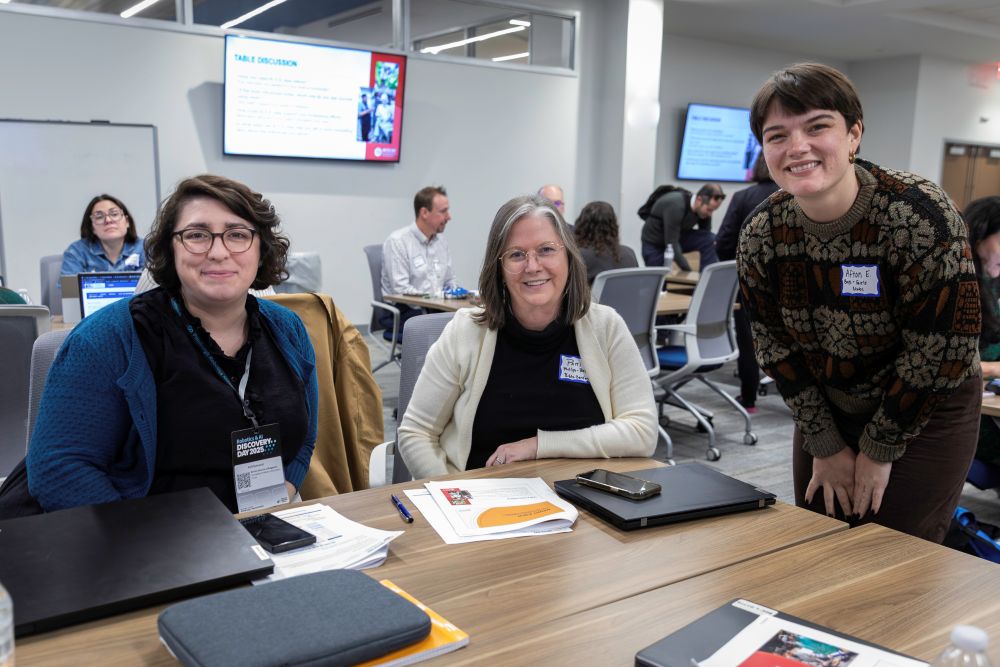
Maggie Richardson: Next spring, we’ll bring United Way’s Multi-Year Grant partners together for a day of hands-on learning focused on financial management, governance and storytelling with data.
We’re designing sessions for different experience levels and plan to provide follow-up support after the event. The goal is practical learning that organizations can immediately put to use.
Looking Ahead
Strengthening nonprofits is a central part of United Way’s mission. By helping organizations build capacity, develop leaders and strengthen operations, we’re investing in the long-term health of the entire nonprofit sector.
Because when nonprofits are stronger, communities are stronger too.